Roofing contractor
Roof repair, installation, and inspection for homes in Simpsonville and nearby areas.
- Roof Repair
- Roof Installation
- Roof Inspection
- Roof Damage Repair
- Roof Repair for Storm & Wind Damage
Charlotte sits in the Piedmont region of North Carolina, where hot, humid summers, frequent severe thunderstorms, and occasional winter ice events create a demanding environment for residential roofing. Summer temperatures regularly exceed 95 degrees, causing asphalt shingles to expand and contract daily on south-facing and west-facing slopes. The metro's rapid growth means a large share of the housing inventory was built during the 1980s and 1990s in neighborhoods like Matthews, Stallings, and Indian Trail, and those roofs are now hitting their first or second replacement cycle. Historic neighborhoods like Dilworth, Myers Park, and Eastover have heavy tree canopy that keeps roof sections shaded and damp, promoting moss and algae growth on north-facing slopes.
Charlotte, NC
SC Service Area
Communities we serve
Charlotte, NC
Roofing Contractor
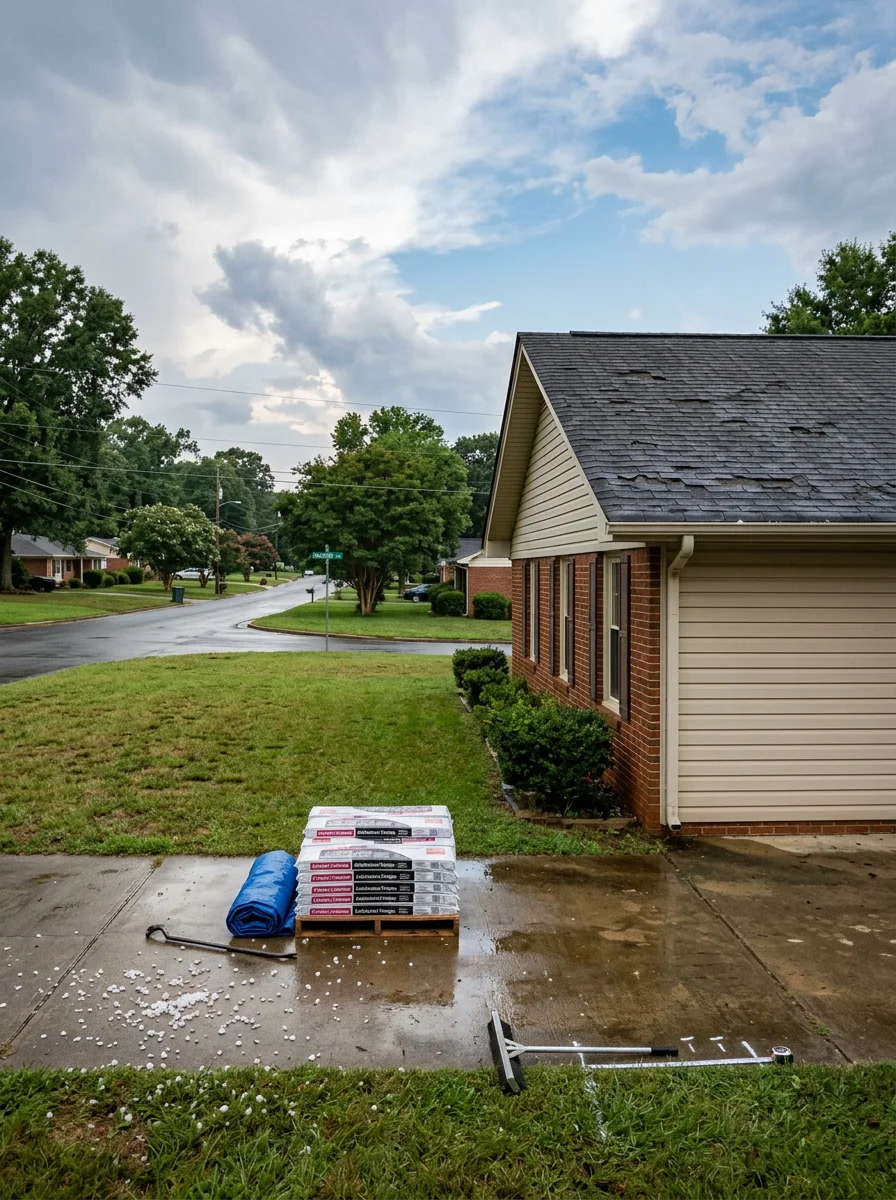
Charlotte's severe thunderstorm season runs from May through September, with storm cells capable of producing hail and straight-line winds with very little warning. The Union County and eastern suburban corridor sees higher hail frequency than most of the metro, and homes in Matthews, Stallings, and Indian Trail built during the 1980s and 1990s are now at the age where storm damage accelerates an already-due replacement. Roof inspection after any hail event is the starting point, because granule damage from hail is often invisible from the ground.
Historic neighborhoods like Myers Park, Eastover, and Dilworth have mature tree canopies that create a specific roofing challenge. Shaded north-facing slopes stay damp for extended periods after rain, and Charlotte's year-round humidity of 65 to 80 percent keeps those sections from drying out fully between storms. Moss and algae growth on these slopes traps additional moisture against the shingles, and moss root systems can lift shingles and create pathways for water infiltration.
Charlotte's winter ice events are occasional but real, particularly in more elevated neighborhoods toward Waxhaw and Weddington. Freeze-thaw cycles work their way into small flashing gaps and existing cracks, widening them over time. Attic venting installation that maintains proper airflow prevents the ice dam formation that occurs when warm attic air melts snow at the ridge and refreezes it at the cold eaves.
At a glance
Roof repair for storm and wind damage is a high-demand service across the Charlotte metro, where the Carolinas Piedmont sees regular severe thunderstorm activity with sustained high winds and occasional hail events that affect Union County and the eastern suburbs with particular frequency. Roof inspection after storm events is the most reliable way to document granule loss and flashing damage before it progresses to the decking. Attic venting installation matters in Charlotte because poor ventilation allows summer heat to bake shingles from below and allows winter moisture to condense on the underside of the decking, promoting mold and rot. Gutter installation and repairs are in demand across tree-heavy neighborhoods like Myers Park and Eastover, where leaf debris and branch impact create chronic overflow and fascia damage.
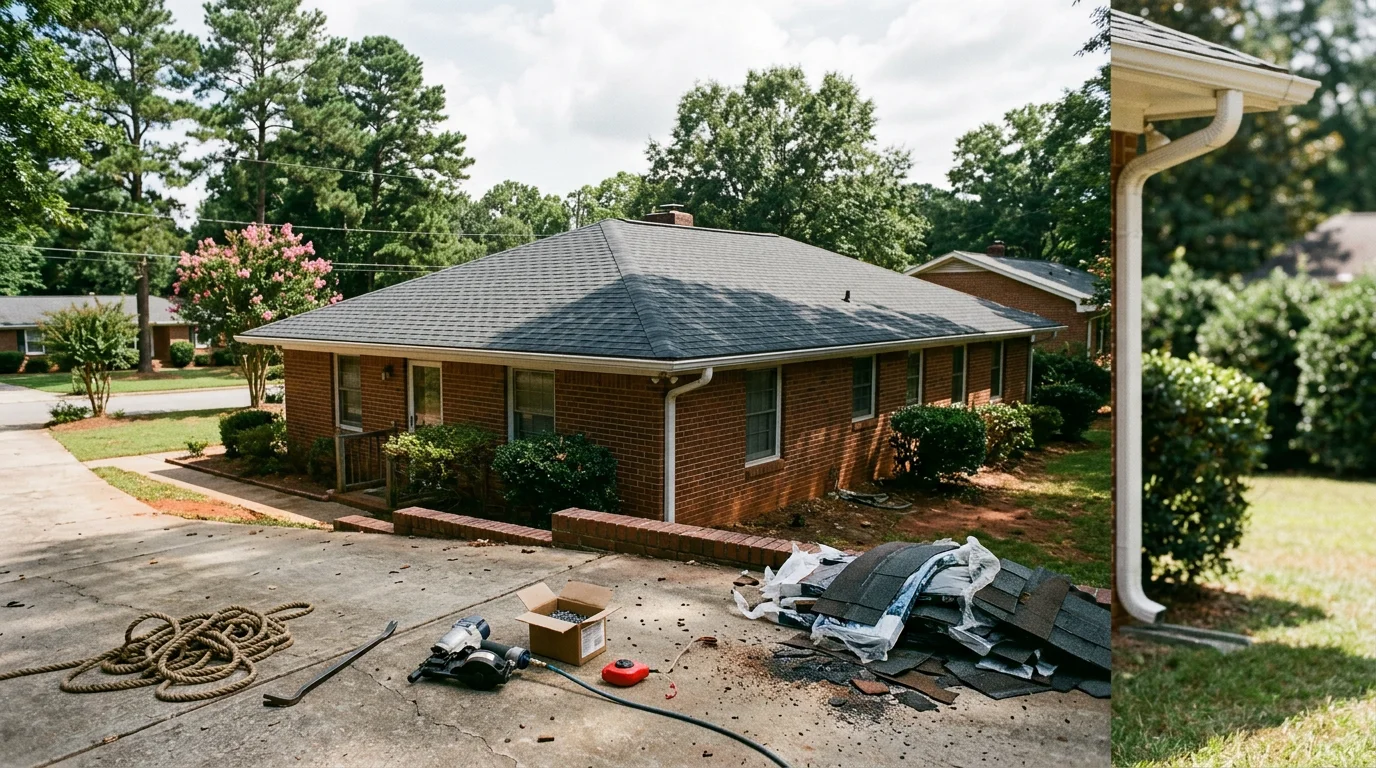
Roof repair, installation, and inspection for homes in Simpsonville and nearby areas.
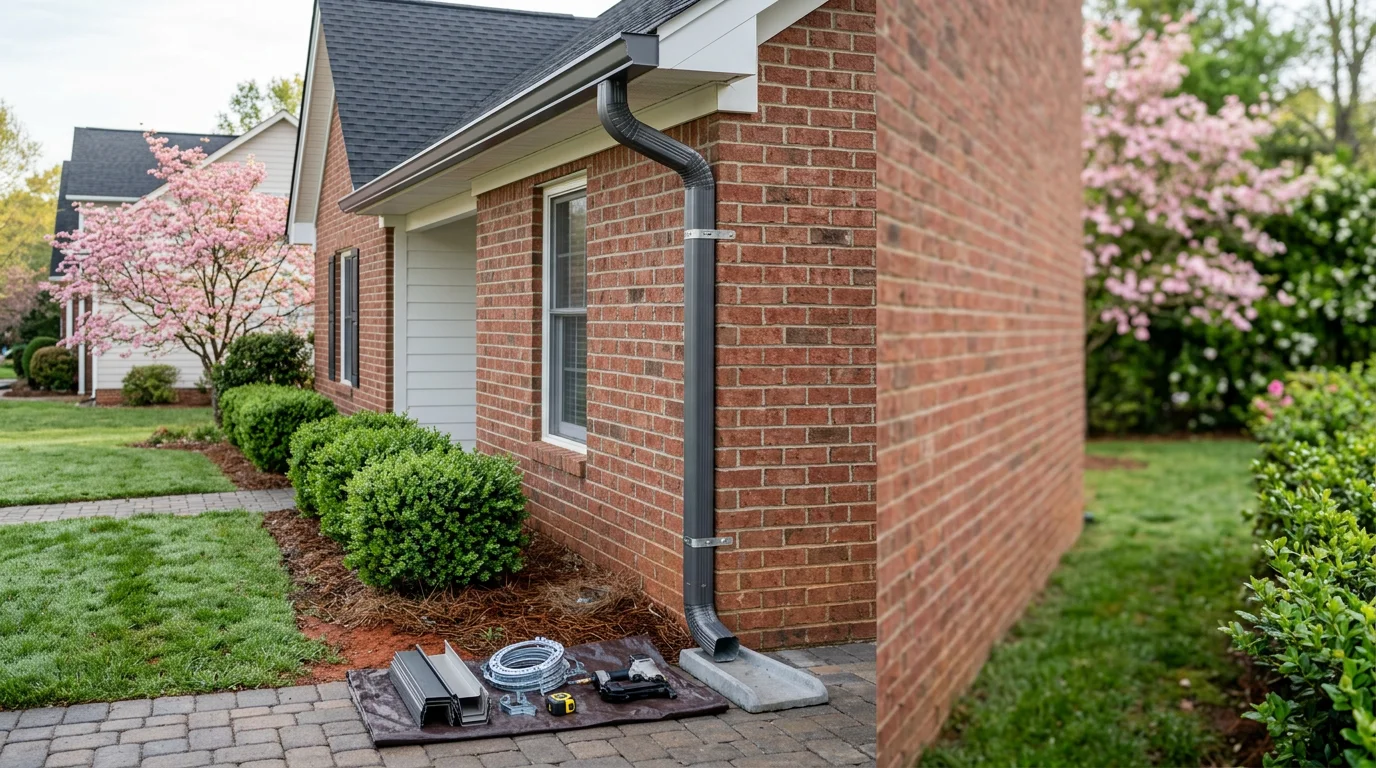
Gutter installation and repair for homes in Simpsonville and nearby areas.
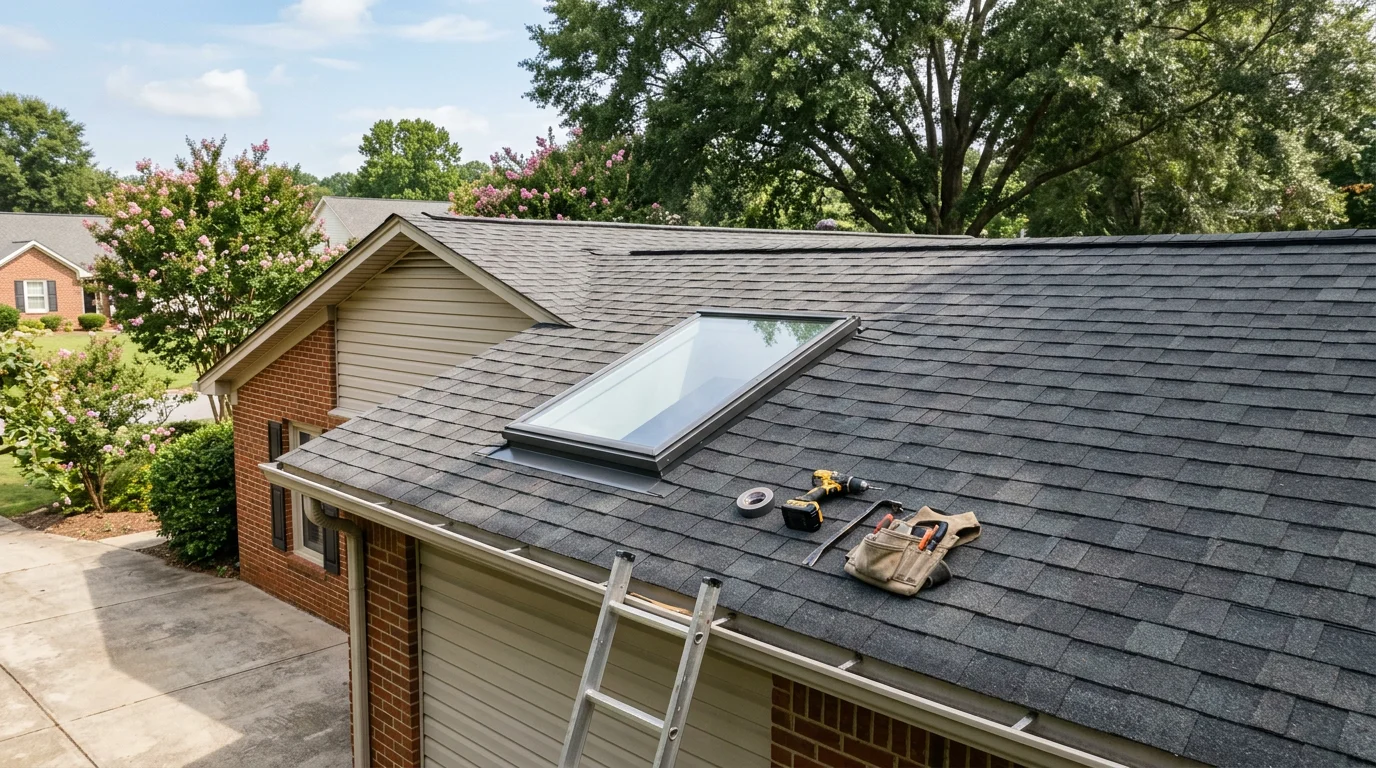
Skylight installation and repair for homes across South Carolina.
Worked with us?
Leave a ReviewWorked with us?
Leave a ReviewNo qualifying reviews with text to display yet (only 4+ star reviews with a written comment are shown).
Serving Charlotte, NC
Our crew knows Charlotte, NC. We will show up on time, assess the job honestly, and give you a clear written number before asking you to decide anything.
Also serving across Upstate South Carolina:
Common questions from Charlotte, NC customers about our services, process, and coverage.
The Union County and eastern Charlotte suburban corridor sees higher hail frequency than most of the metro, and standard architectural shingles can sustain granule damage from hail that is not visible from the ground but shortens the roof's remaining life significantly. Impact-resistant shingles rated Class 3 or Class 4 are worth considering for homes in Matthews, Stallings, and Indian Trail, where hail events are more frequent. A roof inspection after any hail event will document whether existing shingles have sustained damage that warrants a claim or repair.
The heavy tree canopy in these neighborhoods keeps north-facing roof slopes shaded and damp for extended periods after rain. Charlotte's year-round humidity of 65 to 80 percent means those sections rarely dry out fully between storms, creating ideal conditions for moss and algae growth. Moss has a root system that lifts shingles and creates pathways for water infiltration, so it is a structural concern, not just a cosmetic one.
Attic ventilation is one of the most overlooked factors in Charlotte roofing. Poor ventilation allows summer heat to bake shingles from below, causing sealant strips to fail and shingles to curl at the edges. In winter, inadequate ventilation allows warm attic air to condense on the underside of the decking, promoting mold and rot. Evaluating and upgrading attic venting at the time of a roof replacement is the most cost-effective way to protect the new investment.
Homes built during Charlotte's rapid growth years in the 1980s and 1990s are now in the first or second replacement cycle. The most common findings on these roofs are granule loss across the shingle field, sealant strip failure that allows tabs to lift in wind events, and flashing corrosion at chimneys and valleys. Many also have undersized attic ventilation that has been shortening shingle life from below for decades.
Call us directly. Real answers, no scripts.
Stop by, call, or book online — we're always nearby when you need us.
Phone
(864) 787-4228Hours