Roofing contractor
Roof repair, installation, and inspection for homes in Simpsonville and nearby areas.
- Roof Repair
- Roof Installation
- Roof Inspection
- Roof Damage Repair
- Roof Repair for Storm & Wind Damage
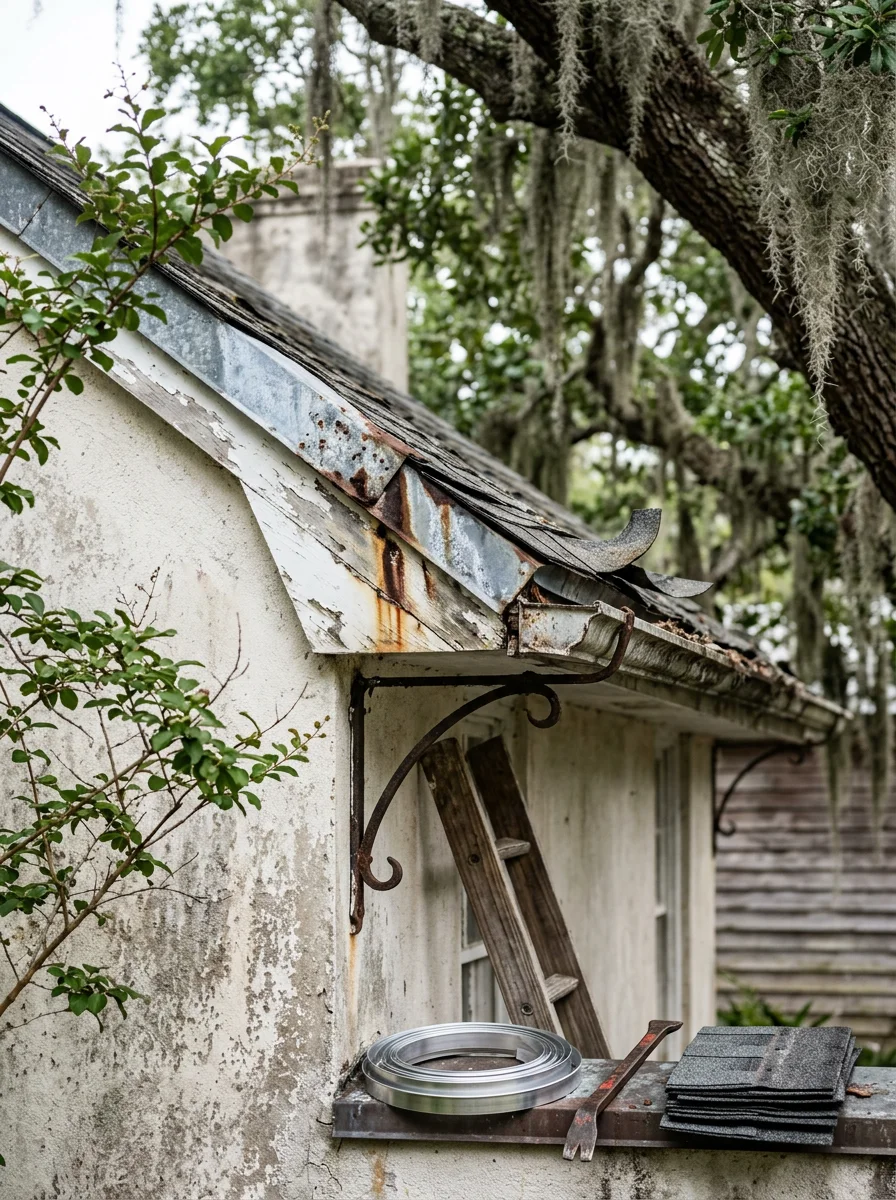
Charleston's roofing environment is shaped by its position on the Atlantic coast, where salt-laden air, subtropical humidity, and hurricane-season wind uplift combine to stress every roofing system in the Lowcountry. Salt air accelerates corrosion on metal flashing, fasteners, and drip edges, often causing failures well before the shingles themselves show wear. The city's architectural diversity adds another layer of complexity: historic downtown properties feature original slate and standing seam metal roofs, while newer suburban homes in Mount Pleasant, James Island, and Johns Island carry asphalt shingles that face the same coastal stressors. Charleston receives more than 50 inches of rain annually, and persistent humidity promotes algae and moss growth on shaded roof sections across every neighborhood.
Charleston, SC
SC Service Area
Communities we serve
Charleston, SC
Roofing Contractor
Charleston's salt air environment does not affect all roof components equally. Shingles may look intact while the galvanized flashing beneath them is already corroding at the seams. Fasteners on older homes in the downtown historic district and on Johns Island properties near the Stono River are particularly vulnerable, because the zinc coating on standard galvanized steel erodes faster in salt-laden air. Roof repair in this environment means addressing the metal components, not just the surface material.
The hurricane season runs from June through November, and every storm that tracks near Charleston tests the wind-uplift resistance of every roof in the metro. Homes on James Island and Johns Island face direct exposure to storm-driven rain that finds every gap in underlayment and flashing. Post-storm roof inspection is the most reliable way to document damage to shingles, ridge caps, and flashing before moisture reaches the decking and interior framing.
Persistent humidity in the Lowcountry promotes algae and moss growth on shaded roof sections, particularly on north-facing slopes in neighborhoods with heavy tree cover. That organic growth traps moisture against shingles and accelerates granule loss. Proper attic venting installation reduces the heat and moisture buildup that makes these conditions worse, and it is one of the most overlooked steps in Charleston roofing work.
At a glance
Roof repair in Charleston frequently involves flashing failures caused by salt-air corrosion on fasteners and metal components, even on roofs that appear intact from the ground. Roof inspection is a critical service here because hurricane-season wind uplift and driving rain expose weaknesses in underlayment and drainage systems that are not visible without a close examination. Skylight repair and installation require corrosion-resistant flashing materials suited to the coastal environment, since standard galvanized components degrade quickly within 20 miles of the coast. Gutter installation with corrosion-resistant hardware is equally important, as Charleston's 50-plus inches of annual rainfall and frequent tropical storm events demand gutters that can handle high-volume water flow without failing at the fasteners.
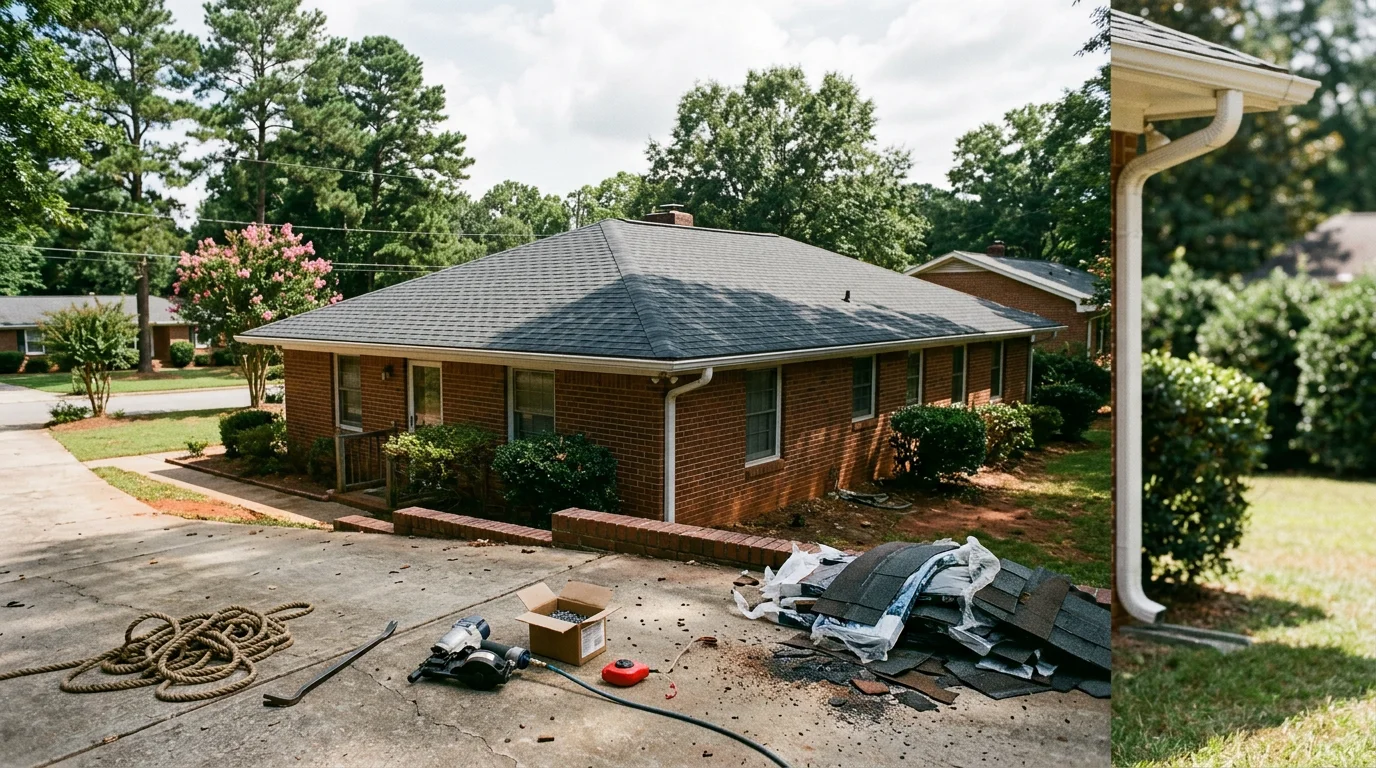
Roof repair, installation, and inspection for homes in Simpsonville and nearby areas.
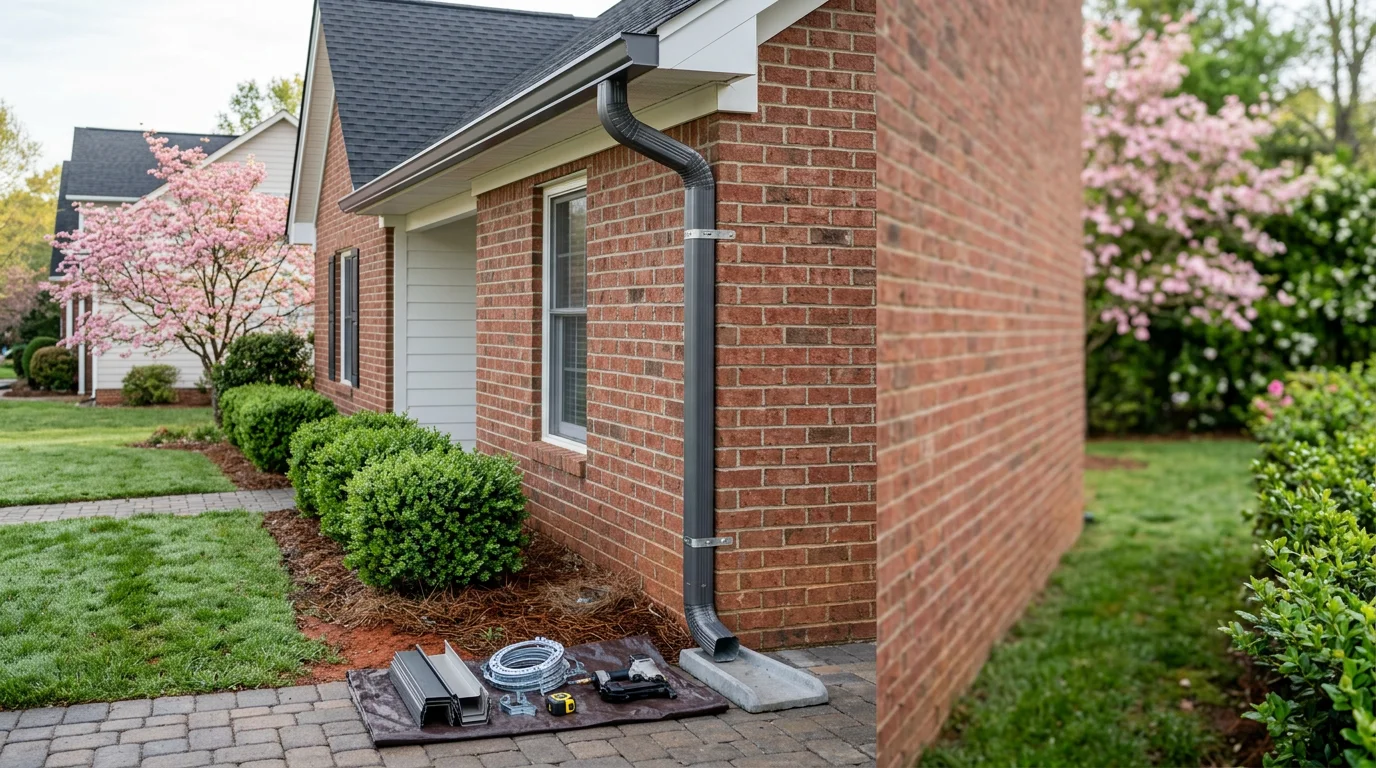
Gutter installation and repair for homes in Simpsonville and nearby areas.
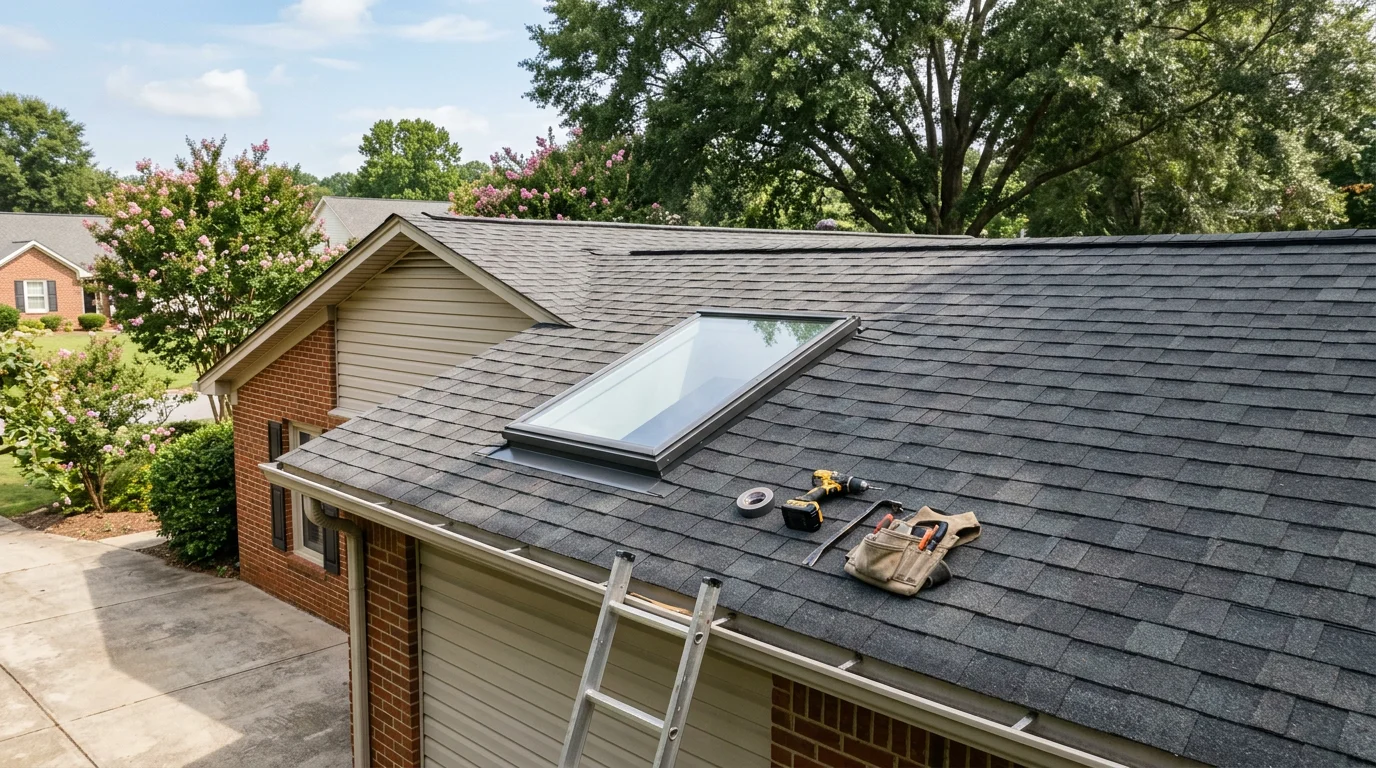
Skylight installation and repair for homes across South Carolina.
Worked with us?
Leave a ReviewWorked with us?
Leave a ReviewNo qualifying reviews with text to display yet (only 4+ star reviews with a written comment are shown).
Serving Charleston, SC
Our crew knows Charleston, SC. We will show up on time, assess the job honestly, and give you a clear written number before asking you to decide anything.
Also serving across Upstate South Carolina:
Common questions from Charleston, SC customers about our services, process, and coverage.
Salt air accelerates oxidation of metal fasteners, flashing, drip edges, and vent covers on Charleston roofs, often causing corrosion failures well before the shingles themselves reach the end of their rated life. Galvanized steel flashing common on older homes loses its protective zinc coating faster in coastal conditions, and once bare steel is exposed, rust develops quickly. Roof inspections in Charleston need to evaluate all metal components, not just the shingle field.
Johns Island's proximity to the Stono River and Atlantic coastline means wind exposure and salt spray are real factors in material selection and maintenance. Architectural shingles with enhanced wind ratings are the appropriate baseline for most Johns Island properties. Ridge vent and soffit ventilation also need to be sized correctly to manage the extreme attic temperatures common in Lowcountry summers.
Charleston's combination of hurricane-season storms and year-round coastal moisture makes annual roof inspections a reasonable standard for most properties. An inspection immediately after any named storm or significant wind event is also advisable, because damage to flashing and underlayment is often not visible from the ground and worsens quickly in the humid coastal environment.
Charleston receives more than 50 inches of rain annually, and tropical storm events can deliver several inches in a matter of hours. Gutters that are undersized, clogged, or fastened with corroding hardware fail under that volume of water, leading to overflow that damages fascia, soffit, and foundation areas. Gutter installation with corrosion-resistant hardware is the right standard for any coastal Charleston property.
Skylight installation in Charleston requires flashing materials rated for coastal exposure, not standard galvanized components that will corrode in the salt air environment. Properly installed skylights with corrosion-resistant step flashing and counter-flashing perform reliably even in hurricane-season conditions. The risk comes from using inland installation standards in a coastal environment where the metal components face a much more aggressive corrosion load.
Call us directly. Real answers, no scripts.
Stop by, call, or book online — we're always nearby when you need us.
Phone
(864) 787-4228Hours